
Building a United Voice for Michigan’s Animals
November 11, 2025
Return to Field with Neighborhood Cats – Part 1
November 18, 2025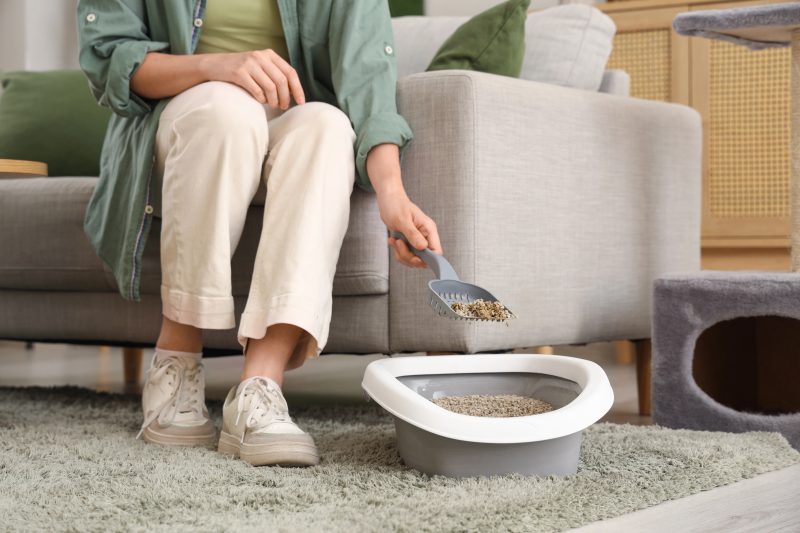
When we think about litter boxes, the conversation usually revolves around the cats themselves: where they like their boxes placed, how often they need cleaning, or what type of litter they prefer. But there’s an overlooked side of the story—the people who care for those cats.
For many cat lovers, bending, lifting, and crouching to scoop or clean the litter box isn’t a small task. It’s a real barrier. Accessibility matters in cat care, not just for the comfort of the human, but for the health and happiness of the cat too.
For these individuals, the design of a traditional ground-level litter box can turn a basic caregiving task into something stressful or even unsafe.
Who Struggles with Inaccessible Litter Boxes?
Litter box duties can be one of the toughest daily care tasks, especially for:
-
Older adults dealing with arthritis, joint pain, or balance issues
-
People living with chronic illness or disabilities where movement is limited or painful
-
Anyone recovering from surgery or injury who needs to avoid bending or lifting
For these individuals, the design of a traditional ground-level litter box can turn a basic caregiving task into something stressful or even unsafe.
Why Human Accessibility Equals Cat Well-Being
Cats rely on their humans to keep their spaces clean and safe. If scooping the litter box becomes physically difficult, boxes may not get cleaned as often as they should. That can lead to:
-
Cats avoiding their box and finding other places to go
-
Increased stress for both the cat and the person
-
Tension in the human–animal bond
Making litter boxes more accessible isn’t just kindness to people. It directly supports better outcomes for cats.
Simple Steps to Improve Accessibility
The good news? Small adjustments can make a big difference. Here are a few ideas for creating a more accessible litter box setup:
-
Raise the litter box so it’s easier to reach without bending
-
Choose placement wisely—avoid tight corners or low, hidden spots that require crouching
-
Keep supplies nearby so scooping and cleaning don’t mean carrying heavy litter long distances
These changes can help caregivers maintain independence while ensuring cats always have a clean, welcoming space.
Emerging Solutions
The cat care world is beginning to take notice of these challenges. Some companies are designing elevated litter boxes that bring the box up to a more comfortable height. For example, LoftyLoo® has approached this issue by creating an accessible design that reduces the need for bending while also appealing to cats, who often prefer elevated, secure spaces.
Mentioning brands isn’t the point here. The bigger takeaway is that accessibility is starting to be recognized as an essential part of cat care, and innovation is finally catching up with real-world needs.
A Call for Broader Conversations
When shelters, rescues, and cat lovers talk about litter box problems, accessibility rarely comes up. Yet it affects thousands of people every day. By making this part of the conversation, we not only help people feel seen and supported—we also strengthen the human–cat bond.
Because when care is easier for humans, life is better for cats.
 This article was contributed by Amy Leiker • Amy is the Founder and CEO of LoftyLoo®, the first raised litter box designed with accessibility and cat well-being in mind. LoftyLoo’s mission is simple: to support the cats by taking care of the people who love them, making cat care safer, easier, and more inclusive.